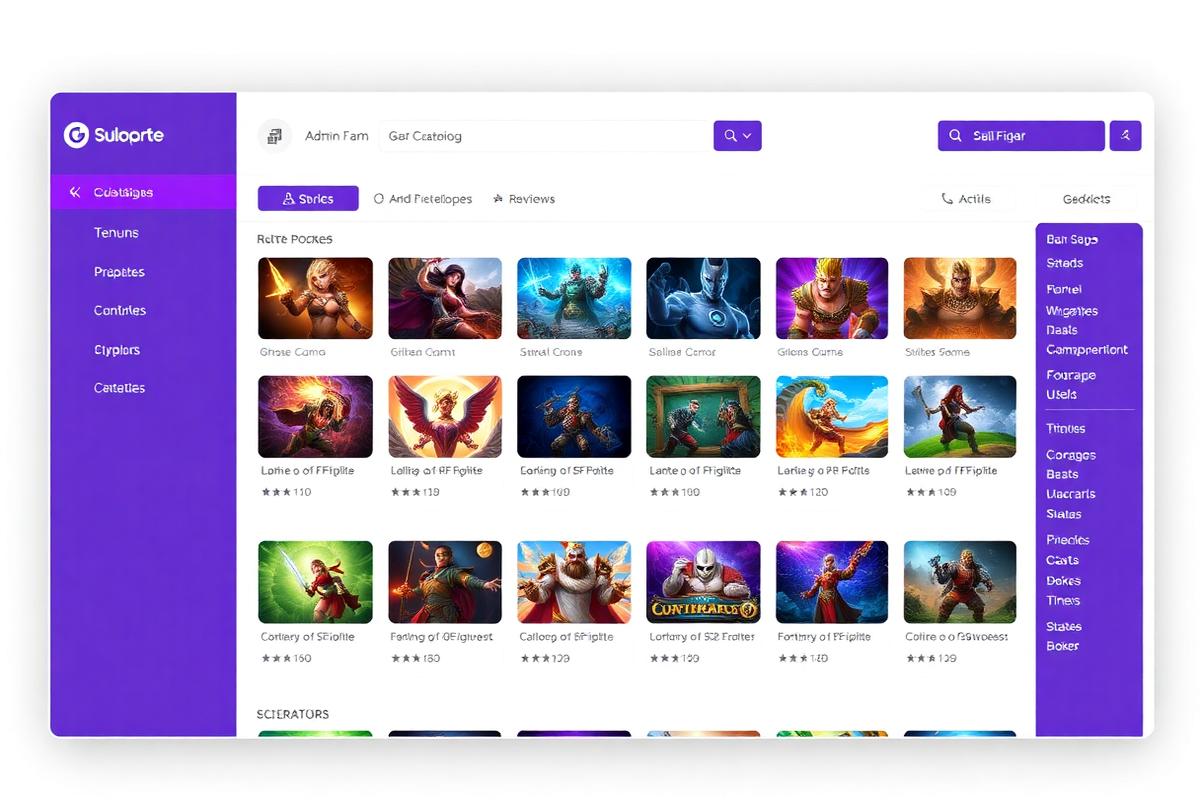
The Problem
The platform was built for dozens of games, not hundreds. Releases were manual, slow, and risky.
- Page loads degraded as the catalog grew
- Manual, error-prone publishing flow
- No isolation between titles
- Limited visibility into live issues
Our Solution
Rebuilt the publishing pipeline and rendering strategy so hundreds of titles could ship independently without regressions.
- Self-serve publishing workflow
- Edge caching and incremental rendering
- Per-title feature flags and rollbacks
- Wallet and on-chain reward integration
Architecture Overview
Key Engineering Challenges
Catalog Performance
Keeping storefront rendering fast as the catalog grew past 600 titles.
Release Safety
Letting studios publish independently without breaking the shared shell.
On-chain Reliability
Handling chain latency and failures without blocking gameplay.
Operational Visibility
Tracing issues across hundreds of titles and third-party builds.
Tech Stack
Frontend
Backend
Blockchain
Infra
Impact & Results
600+
Live games supported
2.4s → 0.9s
Storefront load time
10x
Faster release cycle
99.9%
Platform uptime
“Publishing went from a support ticket to a self-serve flow we finished in an afternoon.”
What I'd Improve Today
Per-title Isolation
Move each game shell into its own runtime boundary to remove shared-failure risk.
Chain Abstraction
Queue on-chain writes behind an idempotent service with clear retry semantics.
Automated Regression
Visual and performance budgets enforced in CI for every published title.
Scaling is mostly about removing shared mutable surfaces.
Self-serve tooling pays for itself within a quarter.
Measure the storefront the way players actually load it.
Interested in building something similar?
I'm open to exciting products, collaborations, and engineering opportunities.